
蒲公英
Why China's favorability is rising across the Global South_我的网站

一 | 平安过寒假 欢乐迎新年 长沙县百熙教育集团荣盛花语城幼儿园 寒假放假通知及温馨提示 2025 寒假放假通知 HAPPY NEW YEAR 尊敬的家长朋友们: 大家好! 时间如白驹过隙、转瞬即逝,我们即将告别2024年,迎来崭新的2025年。在过去的一年里衷心感谢各位家长对我园工作的支持与帮助。在新的一年,我们将继续努力奋进、不忘初心,陪伴每一个孩子度过有趣、健康的童年。

二 |
What explains China's growing appeal?
For many developing countries, China offers a practical development partnership centered on infrastructure, investment, industrialization, technology transfer and trade. Rather than prescribing a single pathway to modernization, it has generally emphasized allowing countries to pursue development in line with their national priorities.
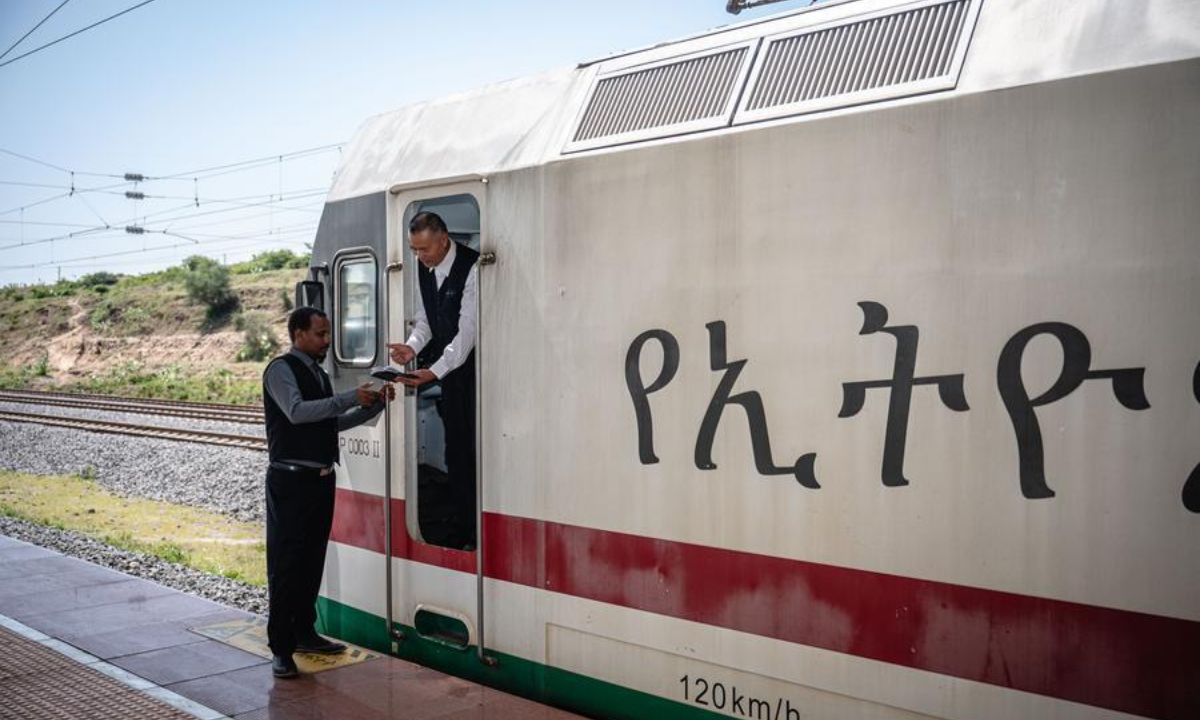
One reason China's influence has grown is that its development model is highly visible. From Ethiopia's railways to Pakistan's power plants, Chinese-financed projects address everyday development challenges by improving transport, energy security and connectivity. Through the Belt and Road Initiative, China has mobilized nearly 1 trillion U.S. dollars in infrastructure investment, producing projects that citizens can see, use and associate with economic progress.
The distinction lies not only in the scale of investment but also in the evolving priorities of development cooperation. While many Western partners have increasingly emphasized economic security, strategic de-risking, private-sector mobilization and governance reform, China has combined large-scale investment in physical infrastructure with technology transfer, industrial cooperation and human capital development.
At the same time, China has actively promoted trade by expanding market access, including granting zero-tariff treatment to many least-developed countries, deepening currency-swap arrangements, and encouraging the use of local currencies in cross-border trade. Together, these measures seek to strengthen economic connectivity, reduce transaction costs and exchange-rate risks, and create new opportunities for developing countries to integrate into regional and global value chains.
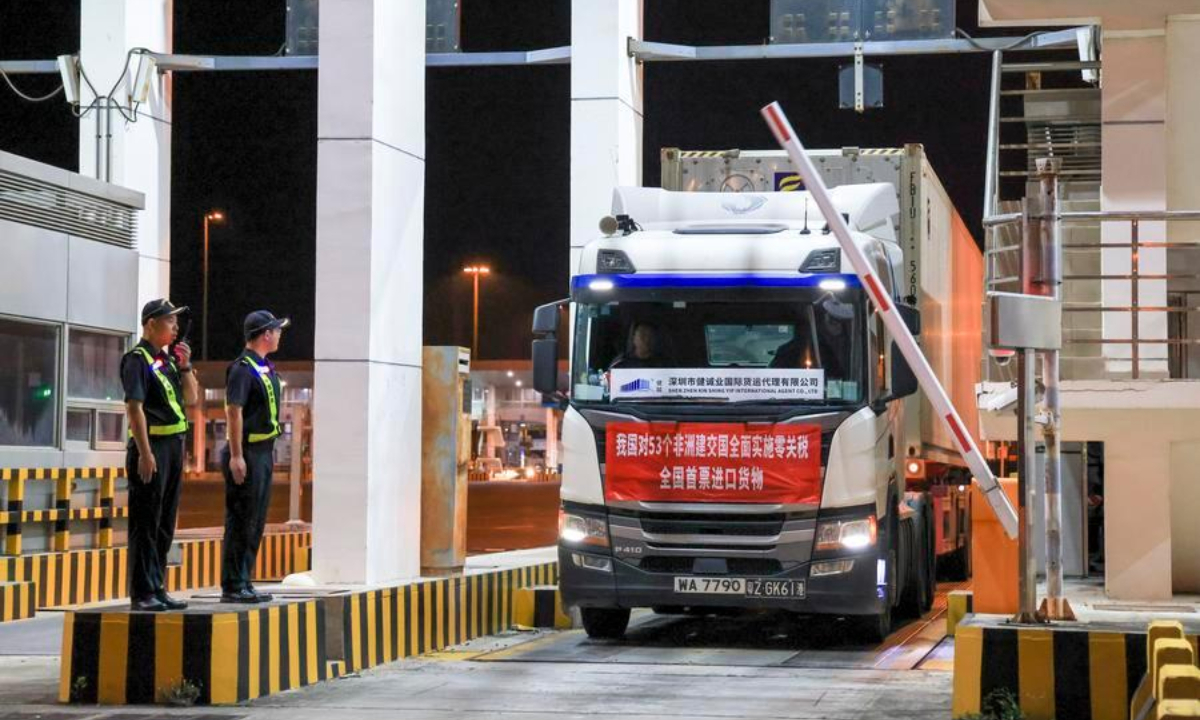
This integrated approach has produced tangible improvements in productivity, connectivity and local capacity, reinforcing perceptions of China as a long-term development partner.
Equally important is the philosophy underpinning China's engagement. Beijing consistently emphasizes sovereignty, mutual respect and non-interference, maintaining that every country should determine its own political and development path. For many governments across the Global South, this approach is a partnership based on equality rather than political conditionality, allowing them greater policy space to pursue domestic development priorities.
Diplomatic style has also influenced perceptions. Through mechanisms such as the Forum on China-Africa Cooperation and regular engagement with Pacific Island countries, China has committed itself to equality and shared development. For many governments in the Global South, that sense of respect and recognition is not merely symbolic -- it contributes to long-term political trust.
Perhaps the most important nuance is this: the Global South is not becoming anti-American; it is becoming strategically pragmatic. Its foreign policy decisions are increasingly guided by national interests, economic opportunity, and development priorities rather than Cold War-style geopolitical alignment.
The Global South's primary ambition is neither ideological nor geopolitical -- it is developmental. Governments want to create jobs, eliminate poverty, modernize infrastructure, strengthen industrial capacity and improve the quality of life for their citizens. China's transformation over the past four decades, from lifting hundreds of millions of people out of poverty to becoming a global leader in infrastructure, manufacturing and technology, has demonstrated what sustained long-term planning can achieve. Consequently, many developing countries are looking to China not as a model to replicate wholesale, but as a development partner from which they can learn, cooperate and pursue shared prosperity while preserving their own policy autonomy.
This contrast is also reflected in broader policy priorities. At a time when many Western governments are increasingly emphasizing tariffs, export controls, technology restrictions, sanctions and economic security, China has continued to promote infrastructure investment, trade, industrial cooperation, technology partnerships, open-source AI initiatives and greater access to its domestic market. Whether one agrees with either approach or not, many developing countries evaluate partnerships primarily through the lens of economic development and tangible outcomes. That difference in emphasis is helping reshape global perceptions.
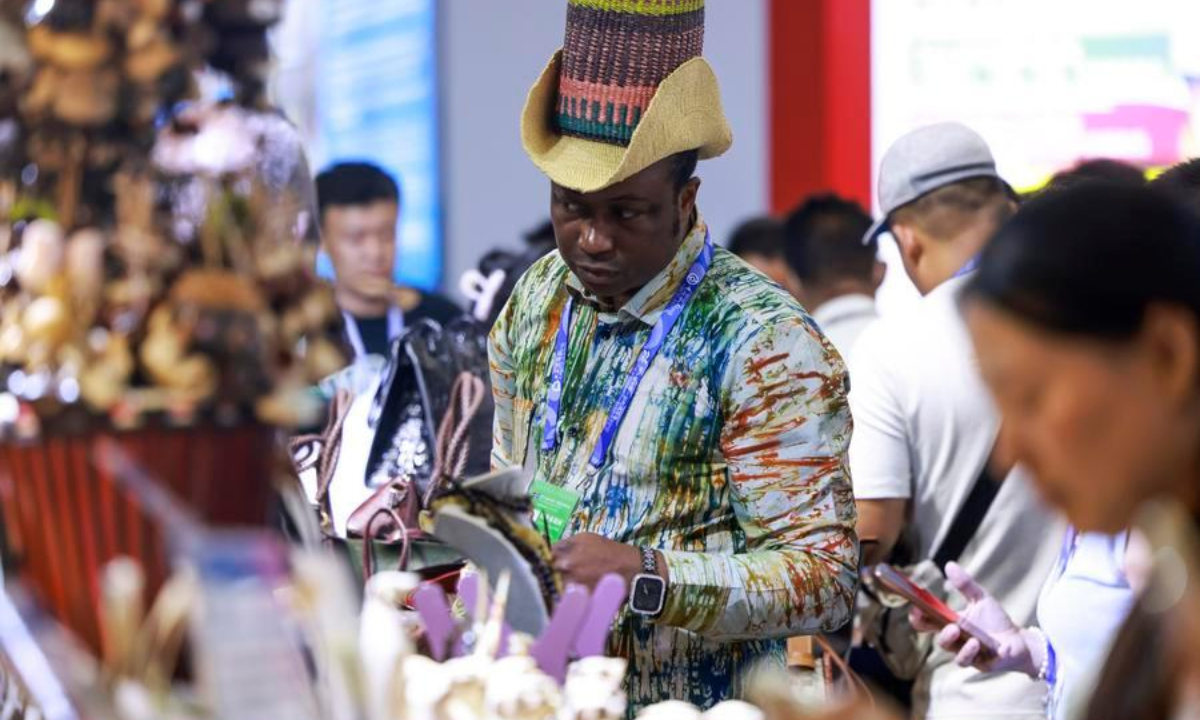
The world is changing, and the transition toward a more multipolar international order is becoming increasingly evident. The Global South is no longer a passive participant in world affairs. Its countries are exercising greater strategic autonomy, making decisions according to their own national interests, development priorities and the aspirations of their people. In China, developing countries have found a true friend and good partner.
Editor's note: Maya Majueran serves as the director of the Belt and Road Initiative Sri Lanka, an independent and pioneering organization with strong expertise in Belt and Road Initiative advice and support.
。寒假来临,为了让孩子度过一个平安、有意义的假期,现对寒假放假安排及温馨提示告知如下: 寒假放假时间: 2025年1月11日(周六) 返园时间: 报到时间: 2025年2月9日 具体报到时间由各班老师另行通知 上课时间: 2025年2月10日(农历正月十三) 寒假温馨提示 HAPPY NEW YEAR 随着新年的临近,我们衷心祝愿大家度过一个愉快、安全的假期。为了确保大家在这个特殊时刻能够安心享受欢聚时光,我们做出以下假期安全提示: 01 交通安全 1.外出时,和孩子一起遵守交通规则、注意交通安全。 2.过马路走斑马线、天桥或地下通道,不闯红灯,不翻越隔离栏。 3.不在马路边玩耍、不在机动车道玩滑板自行车等。 4.不坐无客运资质的车辆(如农用车、三轮车等),不坐超速、超载、酒驾、疲劳驾驶的车辆。 5.乘坐车辆提醒孩子要系好安全带,不随意跑动,不把头、手伸出窗。

三 | 6.驾驶摩托车、电动车时请佩戴好头盔,减速慢行,自觉遵守交通规则。 02 消防安全 1.不玩火,不携带火种。若发现火情不能逞能去扑火,要及时向家长报告,或者拨打火警电话119。

四 | 2.家长不在家时,不使用煤气、液化气灶具等。

五 | 3.不用湿手或湿布触摸电源插头、插座等。遇雷雨天气时,最好不要使用电器,并拔掉电源插头。 03 防性侵安全 1.引导孩子,隐私部位即使父母也不能去触碰,身体的其他部位也不允许陌生人去触碰。教给孩子一些常见的身体接触礼节与保护自己身体的区别。 2.教育孩子不要单独和陌生人在一起,处于陌生的环境中要学会如何保护自己,比如,孩子在外面,有陌生人和你搭讪,你可以避而不答;有陌生人给你诱人的食物,不要去吃。

六 | 3.养成和孩子每天交流的习惯,让孩子知道遇到那些问题必须及时告诉父母,而且要保证孩子可以自然轻松地告诉父母 后,得到一定的保护。 4.不要把孩子托付给自己不了解的他人看管,尤其是只有异性和你的孩子单独在一起的他人。 HAPPY NEW YEAR 04 防电信诈骗安全 1.不轻信。遇事冷静,不要被蝇头小利所诱惑,多思考、多商量,不轻信陌生人。

七 | 2.不泄密。

八 | 不透露个人身份信息、支付密码、验证密码、金融信息严保管。

九 | 3.不汇款。陌生人提到转款、汇款必须核实。

十 | 4.不刷单。不参与任何与“刷单”相关的事情。不4.要有“贪图便宜”、“一夜暴富”、“天上掉馅饼”的心理。 05 燃放烟花、爆竹安全 1.春节燃放烟花爆竹一定要在成人的陪同下进行,避免烧伤炸伤。不要让孩子放一些威力比较大的烟花。 2.要在正规的售卖场所购买烟花爆竹,认清合法正品,守住三个严禁。 3.不要在变电站、工厂等公共设施处燃放烟花爆竹;不要在加油站、柴火堆等易燃易爆品附近燃放烟花爆竹;更不要在井盖里,公共垃圾桶等狭小空间中燃放烟花爆竹。

十一 | 4.以尊重传统、文明、安全为原则,鼓励少放、不放,倡导使用电子鞭炮、礼花筒等安全、环保的替代性产品。 06 防溺水安全 1.注意防滑。禁止在结冰的路边上滑冰,以防摔伤事故发生。 2.防溺水安全。未成年人自我保护能力差,爱贪玩、冒险,结伴外出时,如果到结冰的河沟处玩耍,极易发生溺水事故。

十二 | 希望家长朋友务必增强安全意识,切实承担起监护责任,加强对孩子的教育和管理。 3.孩子要在家长的指导下注意防冻、防滑,不到结冰河面、水面玩耍。 4.严禁带幼儿去危险的地方,不要到结冰的路面上行走,以防摔伤事故发生。不要到江边、河边、水库、水井等危险的地方玩耍、滑冰等,以防冰层破裂,防止冬季溺水事故发生。 07 假期饮食安全 1.自觉养成良好的个人卫生习惯,饭前便后勤洗手。 2.购买有包装的食品时,要看清商标、生产日期、保质期等,“三无”食品、过期食品一定不要购买。 3.生吃瓜果要注意洗干净手后才可食用,不吃腐烂、变质的瓜果。 4.不暴饮暴食,防止消化不良。饮食要节制,不能因为贪食多吃,导致肠胃不适。

十三 | 5.养成良好的作息习惯,按时、按量吃好每日三餐,科学膳食,保证足够的睡眠。 6.少吃或尽量不吃油炸、烟熏、烧烤的食品。 08 传染病预防 1.冬季是甲流、上呼吸道传染、水痘等传染病的高发季节,所以放假期间避免带孩子前往人群拥挤、空气污浊的场所玩耍,以免感染水痘等传染疾病。希望家长引起高度重视,做好防护工作。 2.勤洗手。家长要和孩子一起勤洗手,特别是饭前和外出游玩回家后,一定要先把小手洗干净,减少细菌的传播。 3.室内勤通风。保持室内空气流通,是预防传染病的有效方式,空气质量达标时,保证每天不少于30分钟开窗通风时间。

十四 | 4.保持卫生健康好习惯。保持个人卫生,勤洗澡。保护牙齿,少吃甜食,按时刷牙。 假期生活小提示 HAPPY NEW YEAR 合理安排假期生活 寒假期间注意合理安排好孩子的作息时间,早睡早起,多到户外活动,避免长时间在室内看电视,尽量保持与幼儿园同步的作息规律,以免孩子返园后出现不适应的现象。 孩子可以有这样的活动:看书、讲故事、绘画、手工、运动、户外观察探究、交往新朋友等等,让假期充实而有意义。 规律作息,健康饮食 提醒孩子保持良好的生活作息,保证充足的睡眠时间,多运动;饮食注意营养均衡,多吃水果蔬菜,少吃不健康的零食及饮料。 锻炼自理能力 鼓励孩子自己的事情自己做,自己穿脱衣裤鞋、自己吃饭、自己整理玩具、房间,让孩子承担一些力所能及的家务,如:倒垃圾、摆碗筷、收拾客厅等,做家人的小帮手,让孩子体验劳动的愉悦,提高孩子的自理能力和责任意识。 有效的亲子陪伴 家长每天陪孩子阅读绘本、讲故事、做游戏等,增强亲子感情,更多地了解孩子的想法。

十五 | HAPPY NEW YEAR 新的一年,新的希望; 新的一年,新的收获。 花语园全体教职员工 提前恭祝 所有大朋友及小朋友们 新春快乐!身体健康! 阖家幸福!蛇年大吉! HAPPY NEW YEAR 办园目标 培养四好幼儿|品德好 行为好 能力好 气质好 发展四有老师|有仁爱 有担当 有学识 有专长 图文:洪 佩 审核:蔡芳兰 审批:田丽莉。
Current article:http://v31s.xuebenwagangqingre.buzz/0eg73/gzzng.html
Published on:06:31:26
评论
-
关于我们 | 我的网站 版权所有
Copyright ? 2019 我的网站 All Rights Reserved